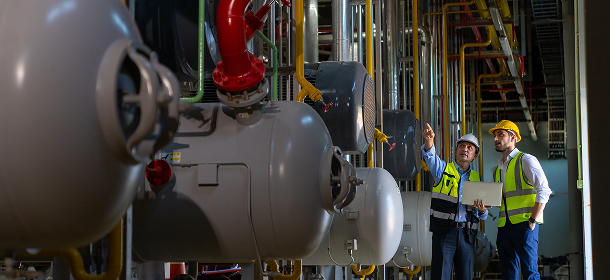
Aluminium Industry Refractory Services
Zampell specialises in refractory solutions for the primary and secondary aluminium sectors, delivering expert installations and refurbishments that minimise downtime and maximise furnace life. From phosphate-bonded brickwork to low-cement castables and guniting, our proven construction techniques ensure seamless delivery on even the largest Carbon Bake furnace projects.
Why Choose Zampell for Aluminium Refractories?
Industry-Specific
Expertise
Decades of hands-on experience in primary and secondary aluminium processes, including Carbon Bake, holding, and melting furnaces.
Fast Turnaround
Techniques
Advanced continuous-construction methods developed with Gouda Vuurvast allow major refurbishments without full shutdowns, preserving production throughput.
Comprehensive
Material Selection
From non-wetting, low-cement castables to phosphate-bonded bricks and high-performance gunning grades, we source the ideal refractory for each application.
Organised Project
Delivery
Skilled labour, rigorous QA/QC and detailed planning ensure projects are completed safely, on budget and on schedule.
Our Aluminium Sector Offerings
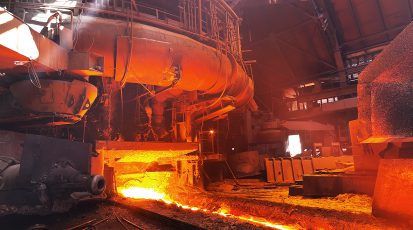
Carbon Bake Furnace Construction & Refurbishment
- Continuous-pour linings to avoid production stoppages
- Customised anchorage and expansion joint solutions
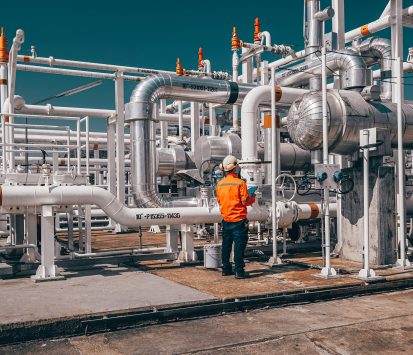
Melting & Holding Furnace Linings
- High-grade gunning and castables optimised for metal contact
- Wear-resistant bricks for molten aluminium and alloy use
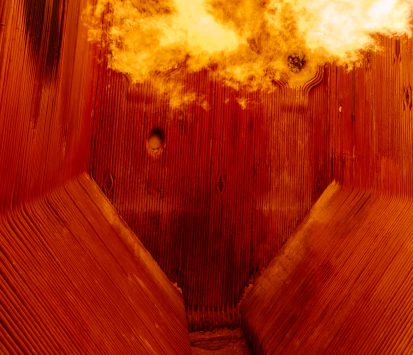
Anode Bake & Heat Treatment Furnaces
- Phosphate-bonded brickwork designed for corrosive atmospheres
- Thermal shock-resistant castables for rapid cycling
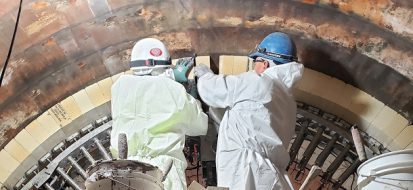
Emergency Repairs & Maintenance
- Rapid-response teams for crack sealing, patch works and relines
- Scheduled inspections and preventative upkeep plans

Technical Consultancy & Material Advice
- Process-specific lining recommendations to extend refractory life
- Thermal modelling and life-cycle cost analysis
Specialist Refractory Linings for Aluminium Furnaces
Zampell provides specialist refractory engineering services for primary and secondary aluminium processing facilities, including the design, installation, maintenance and refurbishment of industrial furnace linings. Our experience covers carbon bake furnaces, aluminium melting and holding furnaces, anode bake furnaces and heat treatment equipment.
Refractory linings used in aluminium processing must withstand demanding operating conditions, including prolonged exposure to molten metal, thermal cycling, chemical attack and mechanical wear. Selecting suitable refractory materials is essential for protecting furnace structures, maintaining thermal efficiency and extending operational service life.
Our refractory solutions incorporate specialist materials such as non-wetting low-cement castables, phosphate-bonded refractory bricks and high-performance gunning materials. Each lining system is specified according to furnace operating temperatures, process requirements, alloy chemistry and expected mechanical stresses.
Through careful engineering, material selection and controlled installation procedures, Zampell helps aluminium processing facilities improve refractory reliability, minimise unplanned downtime and maintain consistent furnace performance.
How We Work
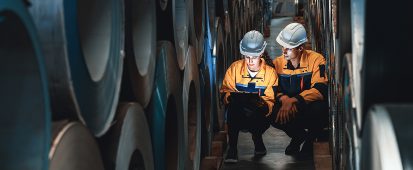
Site Evaluation & Data Capture
We assess furnace geometry, operating temperatures and alloy chemistry to determine lining requirements.

Design & Specification
Using 3D CAD and thermal modelling, we define the optimal brick, castable, or firing scheme for your furnace.

Material Procurement & Fabrication
Partnering with leading refractory manufacturers, we secure the best materials and prefabricate shapes where appropriate.
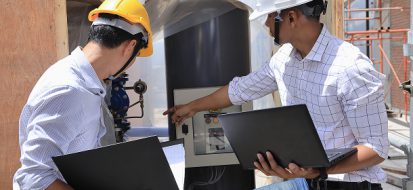
Installation & Supervision
Experienced refractory masons execute works under our HSE-driven procedures, led by senior supervisors.
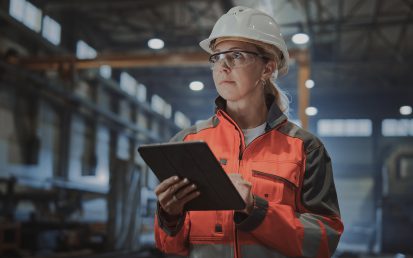
Commissioning & Handover
Post-installation inspections, trial runs and full documentation ensure safe start-up and long-term performance.
Ready to Optimise Your Refractory Assets?
Refractories is what we do. Whatever your challenge, Zampell has the expertise and global reach to deliver.
Contact us today for a complimentary consultation to discover how we can drive performance, safety and cost savings on your next refractory project.

FAQs
What refractory materials are used in aluminium melting furnaces?
Aluminium melting furnaces commonly use non-wetting castable refractories, high-alumina bricks and specialist insulation materials. These are selected to resist molten aluminium penetration, chemical attack and thermal cycling while maintaining lining integrity.
Why are non-wetting refractories used in aluminium furnaces?
Non-wetting refractory materials are formulated to reduce the penetration and adhesion of molten aluminium. This helps limit chemical reactions, reduce metal build-up and extend refractory lining service life.
How often should aluminium furnace refractory linings be inspected?
Inspection frequency depends on furnace operating conditions, lining materials and maintenance history. Regular inspections during planned shutdowns can help identify cracking, erosion, metal penetration and other forms of deterioration.
Can damaged aluminium furnace refractory linings be repaired?
Yes, damaged linings can often be repaired through localised patching, refractory guniting or partial relining. More extensive deterioration may require complete refractory replacement to restore furnace performance and reliability.
What causes refractory lining failure in aluminium processing equipment?
Common causes include molten aluminium penetration, chemical corrosion, thermal shock, mechanical abrasion and incorrect material selection. Installation defects and changes in operating conditions can also contribute to premature refractory failure.