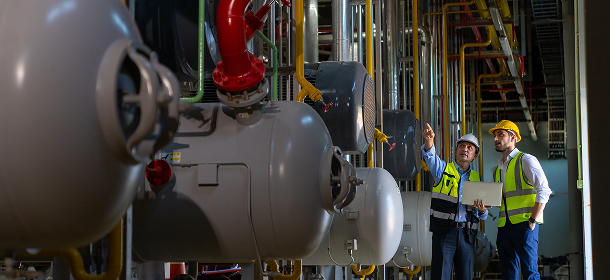
Iron & Steel Industry Refractory Services
Zampell brings extensive refractory expertise to the forging, heat-treatment and primary steel-making sectors. From coke ovens and converters to degassers and direct reduced iron (DRI) plants, our tailored solutions ensure your processes run safely, efficiently and with maximum uptime.
Why Choose Zampell for Iron & Steel Refractories?
Sector-Specific
Knowledge
Proven track record in forging furnaces, heat-treatment lines and steel-making applications.
Diverse Technology
Coverage
Experience across coke ovens, degasser units, oxygen converters and DRI kilns.
Advanced Materials
& Techniques
Selection of high-performance castables, bricks and monolithic linings suited to extreme temperatures and slag chemistries.
Quality &
Safety Focus
ISO-aligned processes, rigorous HSE protocols and on-site supervision protect both your people and assets.
Our Iron & Steel Offerings
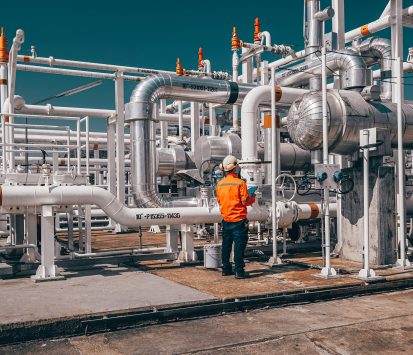
Forging & Heat-Treatment Linings
- High-alumina and insulating castables
- Wear-resistant brickwork for rapid thermal cycling
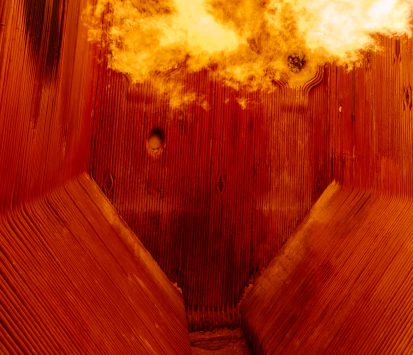
Coke Oven Refractory Solutions
- Oven crown, walls and door sill bricks
- Monolithic repairs for charging holes and standpipes
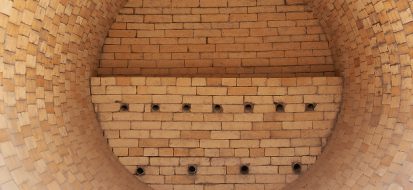
Degasser & Converter Linings
- Impact- and corrosion-resistant refractories
- Custom anchorage for converter shell protection
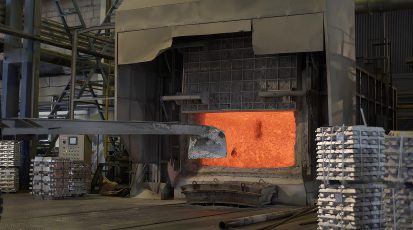
Direct Reduced Iron (DRI) Furnaces
- High-thermal-shock lining systems
- Precast modules and gunning grades for rapid installation
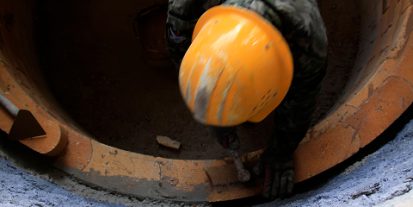
Emergency Repairs & Shutdown Works
- Rapid-response teams for crack sealing and patch repairs
- Planned shutdown rebuilds with detailed project management
Specialist Refractory Linings for Iron & Steel Production
Zampell provides specialist refractory engineering services for iron and steel production facilities, supporting the design, installation, maintenance and refurbishment of high-temperature refractory systems. Our expertise covers forging furnaces, heat-treatment equipment, coke ovens, oxygen converters, degasser units and direct reduced iron (DRI) plants.
Refractory linings used in iron and steel manufacturing must withstand extreme operating temperatures, thermal cycling, mechanical abrasion and aggressive slag chemistries. Selecting appropriate refractory materials is essential for protecting equipment, maintaining thermal efficiency and reducing premature lining deterioration.
Our refractory solutions incorporate high-alumina castables, wear-resistant refractory brickwork, monolithic linings and precast refractory components. Materials and installation methods are selected according to the equipment’s operating conditions, thermal requirements and expected mechanical and chemical stresses.
From planned furnace relining and scheduled shutdown maintenance to emergency refractory repairs, Zampell delivers tailored solutions designed to improve equipment reliability, extend refractory service life and minimise operational downtime.
How We Work

Process Assessment
Site surveys, thermal imaging and slag analysis define lining performance requirements.

Design & Specification
3D CAD layouts and material selection ensure optimal thermal profiles and longevity.

Fabrication & Preparation
Precast shapes and monolithic mixes are readied under ISO-controlled conditions.
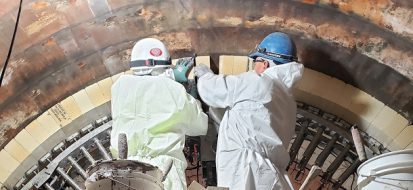
Installation & Supervision
Skilled masons and experienced supervisors execute works to exacting quality and safety standards.
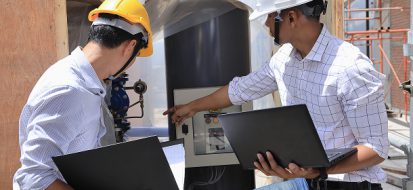
Commissioning & Support
Post-installation inspections, performance validation and maintenance planning deliver lasting results.
Ready to Optimise Your Refractory Assets?
Refractories is what we do. Whatever your challenge, Zampell has the expertise and global reach to deliver.
Contact us today for a complimentary consultation to discover how we can drive performance, safety and cost savings on your next refractory project.

FAQs
What refractory materials do steelmaking furnaces use?
Steelmaking furnaces use refractory materials such as high-alumina bricks, magnesia-based refractories, castables and monolithic linings. Material selection depends on the furnace type, operating temperature, slag chemistry and mechanical stresses.
Why are refractory linings important in iron and steel production?
Refractory linings protect furnace structures and processing equipment from extreme temperatures, chemical attack and mechanical wear. Correctly designed linings also support thermal efficiency, operational safety and equipment reliability.
What causes refractory lining failure in steel furnaces?
Common causes include slag corrosion, thermal shock, abrasion, mechanical impact and incorrect material selection. Installation defects and changes in operating conditions can also accelerate refractory deterioration.
Can damaged steel furnace refractory linings be repaired?
Yes, damaged linings can often be repaired through refractory guniting, localised patching or partial relining. More extensive damage may require complete lining replacement, depending on the condition of the refractory system.
How can planned refractory maintenance reduce steel plant downtime?
Planned refractory maintenance allows lining deterioration to be identified and addressed during scheduled shutdowns. This can reduce unexpected equipment failures, improve operational reliability and extend refractory service life.