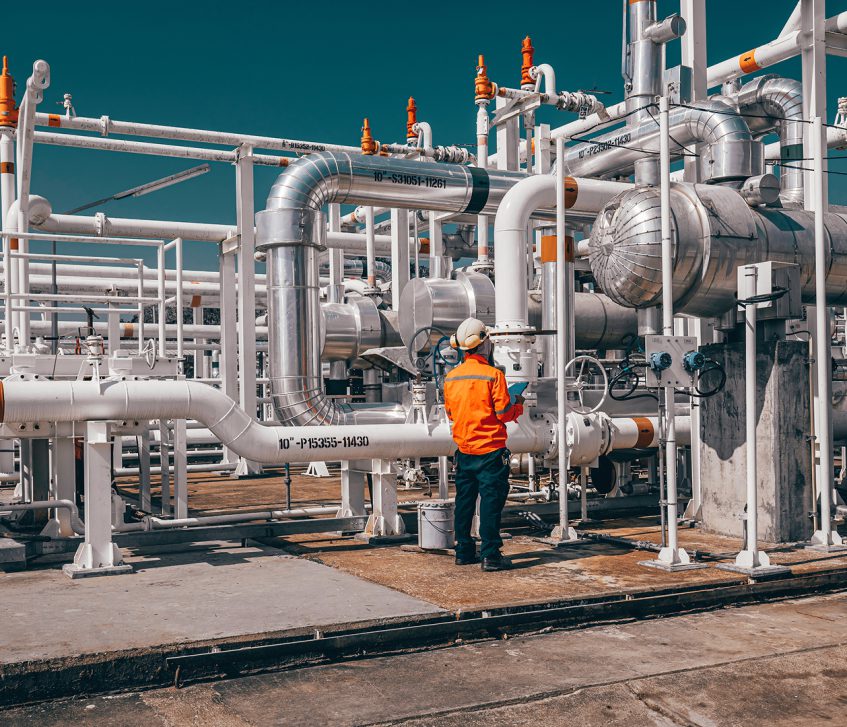
Sustainability is becoming a bigger priority across every high-temperature industry. Plant operators are under pressure to reduce energy consumption, improve efficiency, cut waste and extend asset life without compromising performance. Refractory solutions play an important role in that process.
A well-designed refractory lining can help reduce heat loss, lower fuel demand, improve thermal stability and reduce the frequency of repairs. That means fewer shutdowns, less material waste and better use of resources over the lifetime of the plant.
At Zampell, we understand that sustainability in refractory solutions is not just about the materials themselves. It is about design, manufacture, installation and maintenance working together to deliver a longer-lasting, more efficient result.
Sustainable design starts with the right specification
The most sustainable refractory solution is often the one that lasts longer and performs more efficiently. That begins with good design. If a lining is over-specified, under-specified or poorly matched to the application, it is more likely to fail early and create unnecessary waste.
A sustainable refractory design should consider:
- Process temperatures and thermal cycling
- Chemical exposure and erosion risk
- Maintenance access and outage windows
- Material efficiency and heat retention
- Lifecycle cost, not just initial cost
Using 3D CAD and technical review at the design stage can help reduce errors, avoid over-engineering and improve the fit between the system and the process. This supports both performance and resource efficiency.
Energy efficiency and thermal performance
One of the clearest sustainability benefits of refractory systems is improved thermal efficiency. The right lining helps contain heat where it is needed, which reduces energy waste and supports more efficient plant operation.
This can be achieved through:
- Low thermal mass systems, where appropriate
- Fibre modular linings for insulation
- Protective encapsulation to preserve lining performance
- Material selection tailored to the operating environment
Better thermal efficiency can help reduce fuel use, lower emissions and improve process control. Over time, these gains can make a significant difference to the overall environmental footprint of the plant.
Extending refractory life reduces waste
A sustainable approach to refractories should always focus on extending service life. The longer a lining performs effectively, the less often it needs replacing. That means fewer raw materials, less disposal waste and reduced transport requirements.
Ways to extend lining life include:
- Choosing the right material for the application
- Ensuring high-quality installation
- Using protected systems in aggressive environments
- Carrying out regular inspections
- Planning maintenance before failure occurs
At Zampell, we support customers with refractory consultancy, design, installation and maintenance services that help reduce premature wear and unnecessary replacement.
The role of repair and refurbishment
Not every lining needs a full replacement. In many cases, targeted repair or refurbishment is a much more sustainable option. Repairing a damaged section can extend the life of the overall system, reduce waste and cut downtime.
Examples of sustainable repair strategies include:
- Patch repairs
- Local relining
- Tile replacement
- Protective coating application
- Supervised maintenance using local labour where suitable
These approaches can reduce the volume of material sent to waste while keeping the plant in operation for longer. They also help customers make better use of existing assets.
Manufacturing with efficiency in mind
Sustainability also depends on how refractory products are manufactured. Efficient manufacturing reduces waste, improves consistency and helps ensure that materials are produced only when needed.
In-house production gives better control over:
- Material usage
- Quality assurance
- Batch traceability
- Delivery planning
- Production waste
When products are made accurately the first time, there is less rework and less scrap. That creates both environmental and commercial benefits. Zampell’s manufacturing capabilities support this approach through controlled production processes and quality-focused systems.
Logistics and supply chain efficiency
Sustainability does not stop at the factory gate. Transport, storage and delivery all affect the overall environmental impact of a project. Efficient logistics help reduce unnecessary movement, delay and waste.
This can include:
- Stocking commonly used materials
- Delivering only what is needed, when it is needed
- Using approved stockists and reliable supply routes
- Reducing emergency airfreight or urgent replacement deliveries
- Combining installation planning with material supply
At Zampell, our stocking facility and in-house transport help support quicker, more efficient delivery and reduce avoidable downtime.
Why maintenance strategy matters
A planned maintenance programme is often more sustainable than a reactive one. Emergency failure usually means more material waste, higher transport demand, longer shutdowns and a greater carbon cost overall.
A sustainable maintenance strategy should include:
- Routine inspections
- Thermal imaging where appropriate
- Condition monitoring
- Planned interventions during shutdowns
- Documentation of wear patterns and failure points
This gives operators better visibility and allows repairs to be made at the right time, rather than after a failure has already caused disruption.
Supporting lower-carbon operations
Refractory solutions do not directly replace a plant’s carbon strategy, but they can support it in practical ways. Better insulation, improved combustion efficiency and longer-lasting linings all contribute to lower resource use over time.
This matters in sectors such as:
- Waste to Energy
- Power Generation
- Aluminium
- Iron and Steel
- Cement and Lime
- Petrochemical processing
Each of these sectors faces pressure to improve efficiency and reduce emissions. Refractory performance can help support those goals by improving process stability and reducing waste.
Sustainability and performance should work together
The most sustainable solution is not always the cheapest on day one. It is usually the one that delivers the best long-term value through better efficiency, fewer failures and lower lifecycle costs.
That is why sustainability and performance should be considered together. A well-designed refractory system can support both operational reliability and environmental responsibility.
How Zampell supports sustainable refractory solutions
Zampell works with customers to deliver refractory solutions that are practical, durable and efficient. Our services include:
- Consultancy and technical advice
- 3D CAD design and specification
- Manufacture of precast shapes and modular systems
- Installation and maintenance support
- Emergency repair response
- Protective systems for aggressive environments
We aim to help customers reduce waste, extend asset life and improve operational performance through smarter refractory choices. Contact our team to learn more about our manufacturing capability.
Building a more sustainable future for high-temperature industry
Sustainability in refractory solutions is about more than materials. It is about designing for longevity, reducing waste, improving energy efficiency and supporting smarter maintenance decisions. With the right partner, refractory systems can contribute to a more efficient and more sustainable operation.